Ultimate Guide to Steel Pipes in Lagos, Nigeria
.jpg)
Steel pipes are the unsung heroes of modern infrastructure, forming the structural and operational foundation for cities, industries, and economies across the world. From transporting water through intricate urban plumbing systems to moving crude oil over long distances, steel pipes play a critical role in keeping society functioning smoothly.
Their strength, durability, and versatility make them the preferred choice in industries such as construction, energy, utilities, transportation, and manufacturing. In Nigeria, the demand for high-quality steel pipes continues to grow rapidly as infrastructure projects and industrial development expand across the country.
This guide will help you understand everything about steel pipes — types, uses, manufacturing, standards, benefits, and how they compare to other materials.
What Are Steel Pipes?
Steel pipes are long, hollow tubes made primarily from iron and carbon. They are engineered to handle a wide range of structural, industrial, and fluid-transport applications due to their:
-
High strength
-
Long-term durability
-
Resistance to pressure and temperature
-
Ability to perform in harsh environments
Unlike copper or plastic pipes, steel pipes maintain performance even under extreme heat, pressure, and environmental stress. They are used in building frameworks, underground pipelines, industrial machinery, and water systems.
Steel pipe manufacturers in Nigeria produce several types — seamless, welded, galvanized, stainless, and carbon steel — each designed for specific industrial and commercial applications. These manufacturers ensure products meet both Nigerian and international engineering standards.
Key Features of Steel Pipes
.jpg) |
Steel pipes offer exceptional mechanical and physical properties that make them suitable for demanding operations.
1. High Tensile Strength
Perfect for load-bearing structures, civil engineering, and large-scale construction projects.
2. Natural Corrosion Resistance
With coatings like zinc or alloys like chromium, steel pipes resist rust, moisture, and chemical reactions.
3. Long-Term Durability
Designed to perform effectively for years with minimal maintenance—reducing downtime and costs.
4. Performance in Harsh Environments
Ideal for exposure to moisture, saltwater, chemicals, heat, or pressure.
5. Sustainability
Steel is one of the world’s most recyclable materials, supporting eco-friendly construction and manufacturing.
Types of Steel Pipes
.jpg)
Steel pipes come in various forms depending on their intended use and manufacturing method.
1. Seamless Steel Pipes
Manufactured without welded joints, making them extremely strong and uniform.
Ideal for:
-
Oil & gas pipelines
-
Chemical processing
-
High-pressure systems
-
Power plants
With no welds, the risk of weak points is reduced, making seamless pipes reliable for critical applications.
2. Welded Steel Pipes
Made by rolling steel sheets and welding the seam.
Advantages:
-
More cost-effective than seamless pipes
-
Strong and versatile with modern welding technology
-
Widely used in construction, water supply, and fabrication
3. Galvanized Steel Pipes
Coated with a protective zinc layer to prevent corrosion.
Best for:
-
Plumbing systems
-
Fencing
-
Outdoor structures
-
Locations exposed to moisture
4. Stainless Steel Pipes
Made with iron, chromium, and alloys for exceptional corrosion resistance.
Used in:
-
Food processing
-
Pharmaceuticals
-
Chemical transport
-
High-hygiene environments
5. Carbon Steel Pipes
Made mainly from iron and carbon.
Benefits:
-
Extremely strong and durable
-
Affordable
-
Suitable for high-pressure and high-temperature applications
Commonly used in industrial plants, civil engineering, and mechanical systems.
Applications of Steel Pipes
.jpg)
Steel pipes are widely used across multiple industries due to their versatility and performance.
Industrial Uses
-
Boilers
-
Refineries
-
Chemical plants
-
Power stations
Their resistance to heat and pressure makes them ideal for transporting steam, chemicals, and industrial fluids.
Construction Uses
-
Structural support
-
Piling
-
Scaffolding
-
Building frameworks
Steel pipes provide stability and load-bearing strength for large infrastructure projects.
Automotive & Mechanical Uses
-
Exhaust pipes
-
Hydraulic lines
-
Machinery components
Designed to handle constant stress, heat, and vibration.
Utility & Water Management
-
Water pipelines
-
Drainage systems
-
Sewage networks
Galvanized steel is often preferred for its corrosion resistance.
Oil & Gas
The oil and gas industry is one of the biggest users of steel pipes.
Uses include:
-
Drilling
-
Crude oil transfer
-
Gas pipelines
-
Refinery operations
Manufacturing
Steel pipes are essential for:
-
Conveyor systems
-
Material handling
-
Production equipment
Their reliability ensures efficiency and smooth factory operations.
How Are Steel Pipes Made?
.jpg)
Steel pipes are manufactured using either:
Seamless Process
-
Steel billets are heated
-
Pierced to create hollow tubes
-
Rolled and shaped to the required size
-
Heat-treated for strength and durability
Welded Process
-
Steel plates or coils are bent into tubes
-
Longitudinal seams are welded
-
Pipes undergo shaping, heat treatment, and finishing
Both processes follow strict engineering standards to ensure safety, consistency, and performance.
Steel Pipe Manufacturing Process
.jpg)
-
Raw material selection
-
Melting and casting
-
Heating billets or slabs
-
Forming (extrusion, rolling, or welding)
-
Heat treatment
-
Surface finishing
-
Inspection and testing
Quantum Steels ensures all pipes meet Nigerian and international standards before leaving the factory.
Steel Pipe Sizes & Standards
.jpg)
Steel pipes follow global standards such as:
-
ASTM
-
API
-
ISO
These standards define:
-
Diameter
-
Thickness
-
Pressure rating
-
Material grade
This ensures compatibility across industries and projects.
Advantages of Using Steel Pipes
.jpg)
✔ Strong and durable
✔ Resistant to corrosion and chemicals
✔ Suitable for high pressure & temperature
✔ Long service life with low maintenance
✔ Versatile across industries
✔ High safety and performance standards
Steel Pipes vs Other Materials
.jpg)
Compared to PVC, copper, and concrete:
-
Steel is stronger
-
Handles pressure and heat better
-
More durable for industrial use
-
More flexible than concrete
-
More cost-effective long-term than copper
-
Fully recyclable
Choosing the Right Steel Pipe
.jpg)
Before selecting a pipe, consider:
-
Type of material being transported
-
Pressure and temperature requirements
-
Exposure to corrosive environments
-
Desired durability
-
International and Nigerian standards
Working with an experienced steel pipe supplier like Quantum Steels Nigeria ensures the correct material selection and technical support.
Sustainability & Recycling
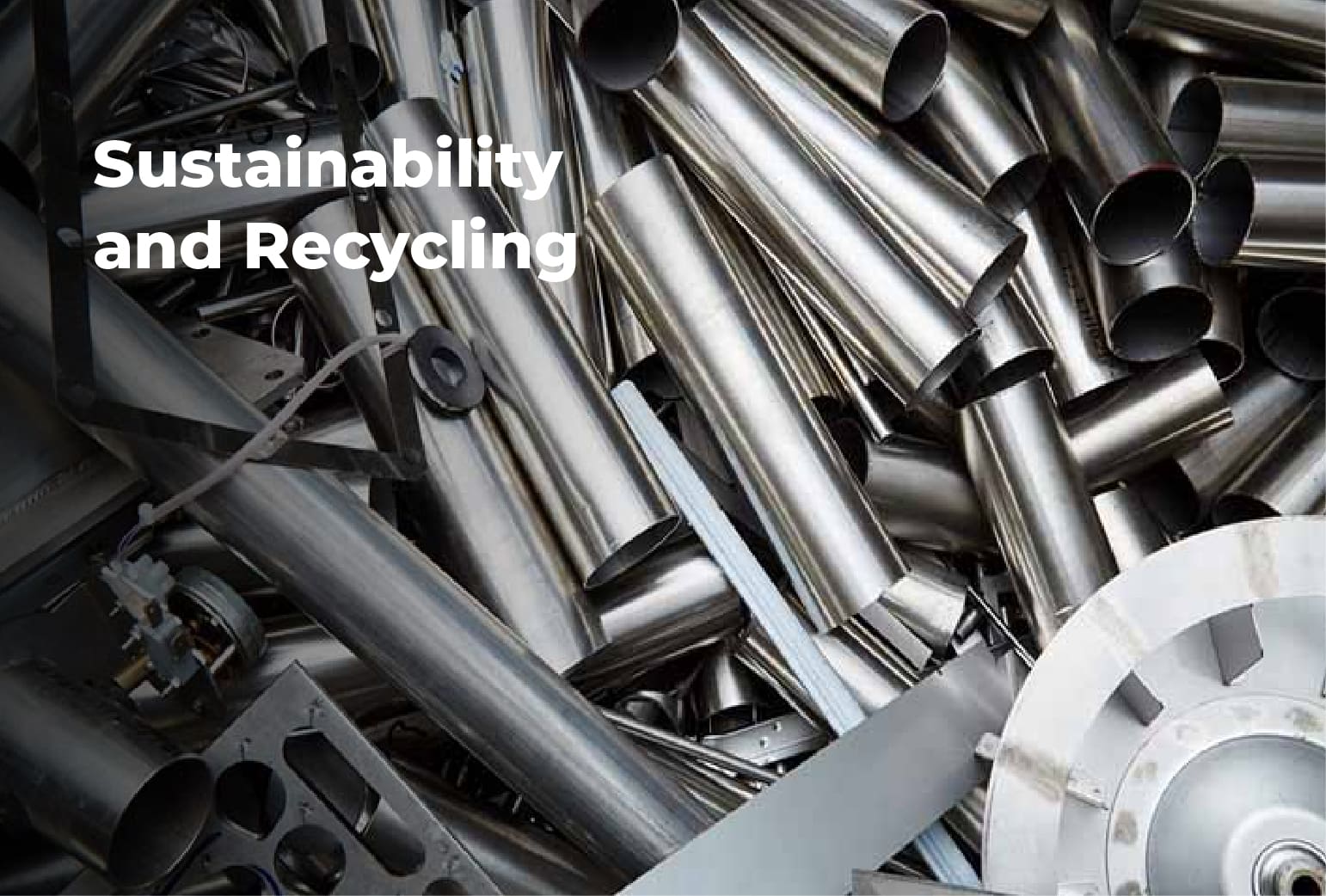
Steel is 100% recyclable and can be reused without losing its properties.
This helps companies and governments reduce:
-
Environmental impact
-
Waste generation
-
Production energy consumption
Where to Buy Quality Steel Pipes in Nigeria
For certified, durable, and high-performance steel pipes, Quantum Steels Nigeria is a trusted manufacturer supplying industries nationwide.
Our pipes are engineered to meet a wide range of industrial and structural needs, backed by reliable manufacturing standards and customer support.
Visit: www.quantumsteelsnigeria.com
Future Trends in the Steel Pipe Industry
The industry is evolving with innovations such as:
-
Automated production lines
-
Smart anti-corrosion coatings
-
Modular piping systems
-
Precision-engineered pipe components
Nigeria’s growing infrastructure and energy sectors will continue driving demand for advanced steel pipe solutions.
Conclusion
Steel pipes are essential to the development of modern infrastructure and industry. Their strength, durability, and adaptability make them the preferred choice for construction, energy, oil & gas, water systems, and manufacturing.
As one of the leading steel pipe manufacturers in Nigeria, Quantum Steels delivers products engineered for performance, safety, and long-term reliability.
To discuss your steel pipe needs, contact us through our website:
👉 www.quantumsteelsnigeria.com

Comments
Post a Comment